A compassionate guide to recognizing pregnancy-related anxiety and finding support.

Pregnancy can bring excitement, anticipation, uncertainty, and unexpected emotional challenges. While it is often described as a joyful time, it can also involve worries that are difficult to explain.
You might find yourself constantly wondering whether your baby is healthy, feeling nervous before prenatal appointments, or imagining everything that could go wrong. You might struggle to relax even after receiving reassuring news. Sometimes, you may feel anxious without knowing exactly why.
If this sounds familiar, you are not alone. Prenatal anxiety is a real and treatable mental health concern. Understanding its signs and symptoms can help you recognize when additional support may be helpful.
What is Prenatal Anxiety?
Prenatal anxiety refers to anxiety experienced during pregnancy. It may involve persistent fear, excessive worry, racing thoughts, nervousness, or physical symptoms that make it difficult to feel calm. Some people experience anxiety for the first time during pregnancy; others notice that existing anxiety becomes more intense.
It can occur in a first or later pregnancy, after miscarriage or stillbirth, following infertility, or during a pregnancy without medical complications. You do not need to have a high-risk pregnancy for your anxiety to be real.
Anxiety during pregnancy can be associated with generalized anxiety disorder, panic disorder, obsessive-compulsive disorder (OCD), and trauma-related conditions. Having symptoms does not automatically mean you have a diagnosable disorder. A qualified clinician can help assess what you are experiencing.
Signs and Symptoms of Prenatal Anxiety
Prenatal anxiety does not look the same for everyone. It may affect emotions, physical sensations, thinking patterns, and behavior.
Emotional symptoms
Persistent nervousness or uneasiness
Feeling overwhelmed by everyday responsibilities
Irritability or frustration
Fear about pregnancy, childbirth, or parenthood
A sense that something bad might happen
Difficulty enjoying pregnancy milestones
Feeling emotionally exhausted by worry
Anxiety does not always look like panic. Sometimes, it looks like quietly carrying fear throughout your day.
Physical symptoms
Racing heartbeat or restlessness
Muscle tension and headaches
Difficulty sleeping
Sweating or trembling
Nausea or stomach discomfort
Shortness of breath or fatigue
Some of these symptoms overlap with normal pregnancy changes or other medical conditions. Do not assume new, persistent, or severe symptoms are caused by anxiety. Seek immediate medical evaluation for chest pain, severe difficulty breathing, fainting, or other potentially serious symptoms.

Cognitive symptoms
Imagining worst-case scenarios
Racing or repetitive thoughts
Difficulty concentrating or making decisions
Replaying conversations with prenatal providers
Overanalyzing body sensations
Questioning reassuring medical information repeatedly
For example, you might leave an appointment feeling relieved, only to wonder later: What if they missed something? What if something changes before my next visit? Reassurance may help briefly, but the worry can return.
Behavioral symptoms
Repeatedly searching online for pregnancy complications
Frequently asking loved ones for reassurance
Monitoring the body constantly for symptoms
Avoiding childbirth conversations or necessary appointments
Canceling plans or struggling with daily tasks
Delaying baby preparations because of fear
What matters is not whether you experience every symptom, but how often they occur, how distressing they feel, and whether they interfere with your well-being.
What Causes Prenatal Anxiety?
There is no single cause. Severe biological, psychological, and environmental factors may contribute.
Hormonal and physical changes
Pregnancy involves substantial physiological changes. Disrupted sleep, nausea, exhaustion, and physical discomfort may make it harder to manage stress.
Fear of complications
Uncertainty about fetal development, miscarriage, stillbirth, childbirth, and medical tests can contribute to anxiety, even when prenatal care is reassuring.
Previous pregnancy loss or infertility
After loss or a difficult fertility journey, hope and fear may coexist. A reassuring appointment does not always erase memories of a previous painful experience.
Previous trauma or mental health concerns
A history of anxiety, depression, trauma, difficult medical experiences, or a traumatic birth may increase vulnerability to anxiety during pregnancy.
Life stressors and limited support
Financial pressure, work stress, housing instability, relationship difficulties, discrimination, and inadequate support can all contribute. Sometimes anxiety is not only about pregnancy; it is also about everything happening around it.

Normal Pregnancy Worry vs. Prenatal Anxiety
Some pregnancy-related worry is understandable. Everyday worries tend to come and go, respond to information or reassurance, and leave rom for normal activities.
Anxiety may need additional support when worries feel persistent or difficult to control, return quickly after reassurance, interfere with sleep or relationships, lead to repeated checking or avoidance, or create significant distress.
You do not have to wait until your anxiety becomes severe to ask for help. If it affects your quality of life, that is a valid reason to reach out.
How Prenatal Anxiety Can Affect Your Experience
Anxiety may make it difficult to celebrate milestones, connect with the excitement of others, prepare for your baby, or feel confident between appointments. You may feel guilty for struggling during a pregnancy you deeply wanted.
Research has found associations between significant prenatal anxiety and some adverse pregnancy outcomes, but this does not mean anxiety will cause a complication or that anyone is responsible for an outcome. Many people experiencing prenatal anxiety have healthy pregnancies and babies. Seeking support is aboiut caring for yourself, not assigning blame.
When Should You Seek Support?
You deserve help before reaching a breaking point. Consider contacting a prenatal healthcare or mental health professional if:
Worry is persistent or increasingly difficult to manage
Anxiety disrupts sleep, work, relationships, or daily activities
You experience panic attacks or intense fear
You repeatedly seek reassurance but cannot feel reassured
You avoid necessary prenatal care
You experience distressing intrusive thoughts
You feel overwhelmed or simply want more support
What about intrusive thoughts?
Some pregnant people experience unwanted thoughts or mental images that feel frightening or inconsistent with their values/ Having an unwanted intrusive thought does not automatically mean you want it to happen or intend to act on it. Frequent or distressing intrusive thoughts, especially with compulsive checking or avoidance, deserve compassionate assessment.
If you intend to harm yourself or another person, cannot stay safe, or experience hallucinations or beliefs that make it difficult to distinguish what is real, seek immediate emergency evaluation.

How Is Prenatal Anxiety Treated?
Therapy and counseling
Psychotherapy can help identify anxiety patterns and develop coping strategies. Cognitive behavioral therapy (CBT) is an evidence-based treatment for anxiety disorders. For OCD, exposure and response prevention (ERP), a specialized form of CBT, may be especially helpful. A clinician familiar with perinatal mental health can tailor care to pregnancy and postpartum concerns.
Medication
Medication may be appropriate for some people. Decisions during pregnancy should be individualized with a qualified prescribing clinician, weighing the benefits of treatment, potential medication risks, and the risks of untreated illness. Do not stop or change prescribed medication without medical guidance.
Support groups and coordinated care
Support groups can reduce isolation and provide connection. Your obstetrician, midwife, primary care provider, an mental health professional can also coordinate care. Ask your perinatal provider about screening for anxiety and depression.
Gentle Ways to Cope With Prenatal Anxiety
Try grounding techniques
When thoughts race, try the 5-4-3-2-1 exercise: notice five things you can see, four you feel, three you hear, two you smell, and one you taste. The goal is to reconnect with the present, not to force anxiety away.
Set boundaries around online searching
Repeatedly researching pregnancy complications may intensify worry. Use trusted medical resources, write questions for your care team, and contact them directly when you have an urgent concern.
Journal without judgment
Try reflecting on these questions: What has been weighing on my mind? What is within my control today? What do I know for certain? What support would help me feel less alone? What do I wish others understood? You do not need perfect answers.

Communicate your needs
You might tell someone you trust: “I have been feeling more anxious than I expected. I would appreciate someone listening without immediately trying to fix everything.” Support could mean company at an appointment, practical help, or a calm conversation.
Practice self-compassion
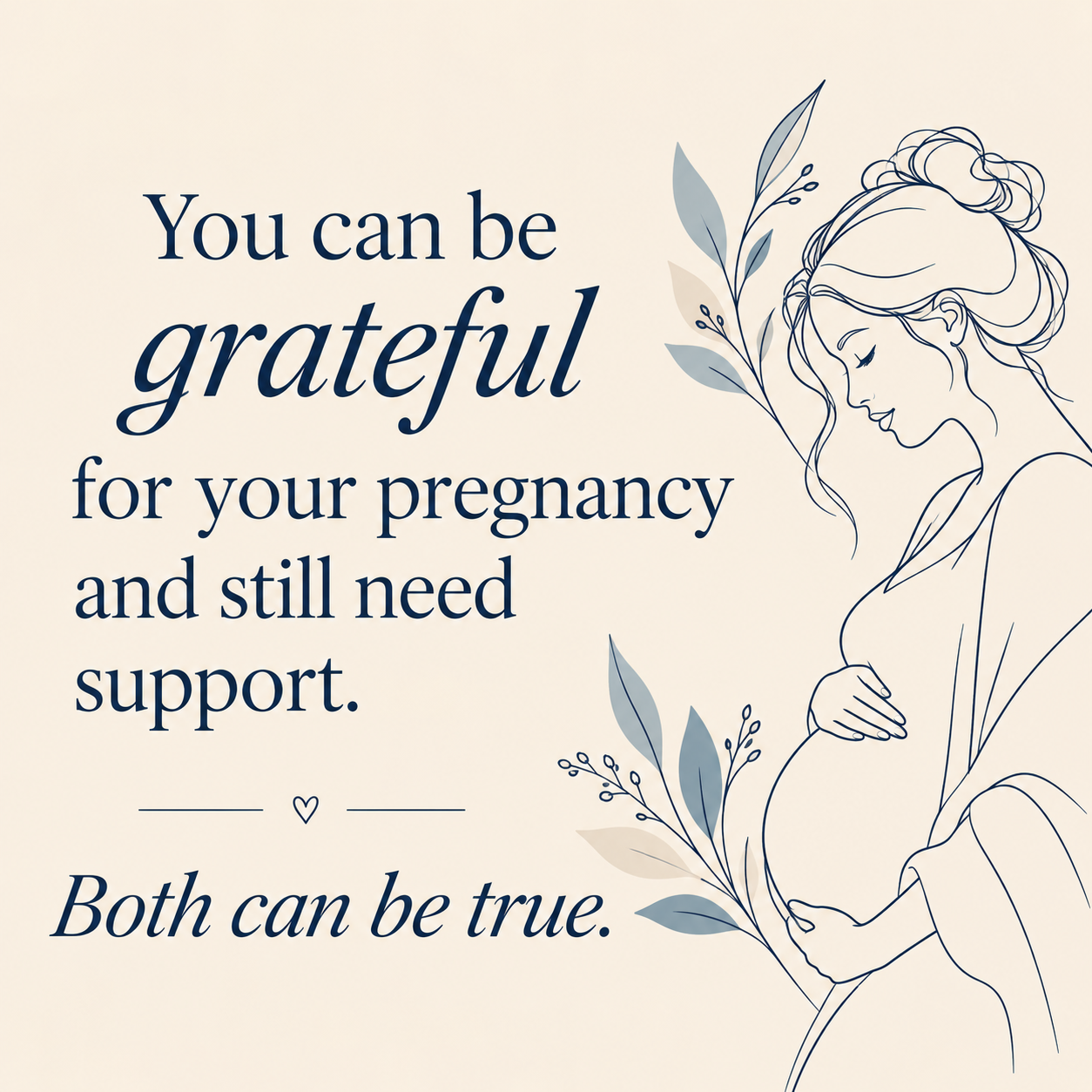
You can love your baby and still feel afraid. You can want your pregnancy and still struggle with uncertainty. Gratitude and emotional honesty can exist together.
How to Talk to Your Healthcare Provider
You do not need a diagnosis or perfect words to start a conversation. You might say: “I have been experiencing a lot of anxiety during my pregnancy, and I am having a hard time managing my worries. I would like to talk about what support is available.”
Your provider may discuss your symptoms, sleep, medical history, screening, treatment options, and referrals to perinatal mental health specialists. Emotional health is an important part of prenatal care.
Where to Find Prenatal Mental Health Support
Postpartum Support International (PSI)
Visit postpartum.net for education, support groups, and resources for mental health during pregnancy and postpartum.
National Maternal Mental Health Hotline
Call or text 1-833-TLC-MAMA (1-833-852-6262). This free, confidential U.S. hotline offers support 24 hours a day, seven days a week, for pregnant and postpartum individuals.
988 Suicide & Crisis Lifeline
Call or text 988. The U.S. 988 Lifeline offers free, confidential, 24/7 support for suicidal thoughts, emotional distress, or mental health crises. You do not need to be suicidal to reach out.
If you or someone else is in immediate danger or experiencing a life-threatening emergency, call 911 or seek emergency medical care. You obstetrician, midwife, or primary care clinician can also help connect you with local services.
A Gentle Reminder: You Deserve Support During Pregnancy
Pregnancy is not always the peaceful or joyful experience people imagine. Sometimes it brings fear, uncertainty, and questions without immediate answers. You may worry about things that others do not understand, even when your pregnancy appears to be progressing well.
You do not have to minimize your worries because someone expects you to be happy. You do not have to hide your anxiety to protect someone else’s excitement. And you do not have to wait until you feel completely overwhelmed before asking for help.
You are allowed to be grateful for your pregnancy and still find parts of it emotionally difficult. You can feel hopeful and afraid at the same time. You deserve to feel heard, supported, and cared for throughout pregnancy.
Continue Your Emotional Wellness Journey With The Natal Journal
At The Natal Journal, we believe emotional well-being deserves a place in every conversation about pregnancy, birth, and postpartum life. Explore articles, guided journals, workbooks, and educational resources designed to support reflection and understanding.
Because your mental health matters before, during, and after pregnancy. Visit www.thenataljournal.com.
Disclaimer: This article is for education and information only. It does not replace professional medical advice, diagnosis, or mental health treatment. Consult a qualified healthcare professional for individual concerns.
